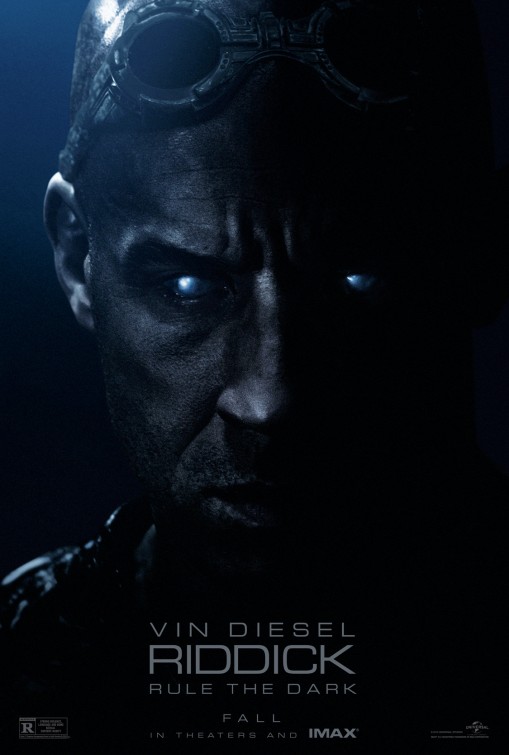

Riddick works because it goes back to basics. After the bloated space-opera ambitions of The Chronicles of Riddick, David Twohy strips the franchise back down to its original formula: one dangerous man, one hostile planet, and a handful of people who have to decide whether he's more useful as an ally or a corpse. Vin Diesel slides back into the role like no time has passed, all gravel-voiced menace and quiet competence, and the film trusts him to carry long stretches with barely any dialogue. It's a smaller, meaner movie than its predecessor, and it's better for it.
The back half, where mercenary crews arrive and the alliances start shifting, is where the film finds its rhythm, playing out like a survival thriller with Riddick as the wildcard nobody can predict. Katee Sackhoff is a highlight as a merc who refuses to be sidelined, and the creature threat lurking beneath the planet's surface gives the back stretch real tension once the human conflicts escalate. It's not reinventing anything, but the mechanics are handled with the confidence of a director who clearly understands what made the original Pitch Black work in the first place.
A franchise finds its footing again by getting back to one man, one planet, and no mercy.
This is a recommendation for genre fans specifically: if you liked Pitch Black's stripped-down survival tension, Riddick scratches a similar itch with a bigger budget and a returning cast that clearly enjoys being back. It's not going to win over anyone who found the character tiresome the first time around, and the pacing sags a little in the middle stretch before the mercenaries arrive. But as a mid-budget sci-fi actioner with a committed lead performance and a filmmaker returning to what worked, it's an easy, satisfying watch for anyone who wants their action a little grimier and their hero a little meaner.
Riddick marked Vin Diesel's third outing as the character, following Pitch Black in 2000 and The Chronicles of Riddick in 2004, and its path to the screen was famously difficult. After the mixed commercial performance of Chronicles, studios were reluctant to finance another installment, and Diesel has said he put up significant personal resources, including leveraging his own house, to get the film made. Production ultimately went ahead with a considerably smaller budget than its predecessor, shooting largely on location in Egypt's White Desert to capture the alien planet's otherworldly terrain. Karl Urban returned as Commander Vaako, tying the film back into the larger mythology established in the 2004 sequel.
Critical reception was mixed but notably warmer than for The Chronicles of Riddick, with reviewers around 58% on Rotten Tomatoes describing it as a return to the franchise's stripped-down roots. The film performed modestly at the box office, grossing under $100 million worldwide against its budget, enough to be considered a moderate success given its financing struggles rather than a major hit. It has since developed a steady following among genre fans who appreciate its back-to-basics approach, and a fourth installment, reportedly titled Riddick: Furya, has been in development in the years since, suggesting the character's cult appeal has outlasted its uneven box office history.