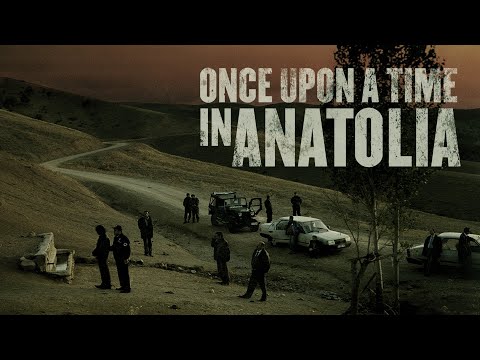
This is a film that trusts you to sit still, and it rewards that patience more than almost anything else in the crime genre. Nuri Bilge Ceylan turns a routine body search into nearly three hours of headlights sweeping over grass, half-finished conversations, and tired men getting honest in the dark somewhere between one town and the next. Nothing about it is flashy, and that restraint is exactly the point: it builds a mood of exhausted, unglamorous procedure that most thrillers skip past on their way to the next plot beat, and it makes that waiting feel like the actual subject of the film rather than a delay before one.
The performances are the quiet engine here, and they carry weight precisely because nothing is underlined. Muhammet Uzuner's doctor and Taner Birsel's prosecutor share long stretches of dialogue that sound like small talk until they aren't, circling guilt, mortality, and the gap between the official version of events and what actually happened between two people years earlier. It's a film about watching ordinary, compromised men under quiet pressure, and the cast makes every pause, deflection, and half-finished sentence feel genuinely lived-in rather than scripted for effect, which is a much harder trick than it sounds.
A murder investigation stretched into a meditation on guilt, and it never once feels padded.
It is not a film for a casual Tuesday night, and it never pretends to be one. But if you're in the mood for something that unfolds at the pace of an actual night rather than a plotted script, this is one of the most rewarding slow-burns you'll find anywhere in world cinema. Give it the runtime it asks for, resist the urge to check your phone during the quiet stretches, and it will sit with you, unresolved and thoughtful, long after the credits roll on that final, quietly devastating image.
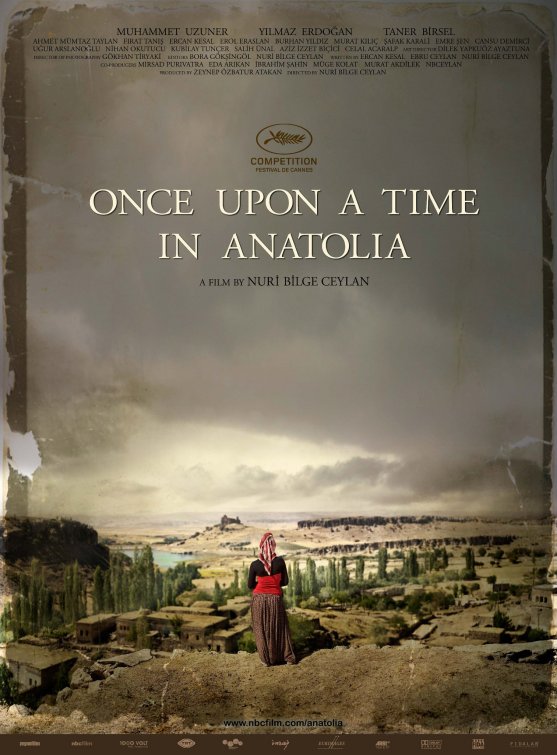
Once Upon a Time in Anatolia arrived at Cannes in 2011 already carrying serious pedigree, and it left having shared the festival's Grand Prix with the Dardenne brothers' The Kid with a Bike. That result cemented Nuri Bilge Ceylan's reputation as one of the defining arthouse directors of his generation, building on earlier Cannes recognition for Climates and Three Monkeys. The screenplay, co-written by Ceylan with Ebru Ceylan and Ercan Kesal, drew directly on Kesal's own experience as a doctor once called to assist a real nighttime search for a buried body, giving the film's procedural detail an unusual grounding in lived, first-hand fact rather than ordinary genre convention or research alone.
Critically, the film was met with the kind of acclaim usually reserved for festival darlings that also hold up on rewatch years later: it holds a 94% score on Rotten Tomatoes from seventy reviews and an 82 on Metacritic, both figures denoting near-universal critical praise for a foreign-language drama. Reviewers consistently singled out its cinematography and its unhurried, novelistic pacing, with more than one comparing its rhythms to Chekhov as much as to any conventional crime film or police procedural. Its reputation has only grown in the years since 2011, and it is now regularly cited among the essential Turkish films, and indeed essential world films, of its entire decade.