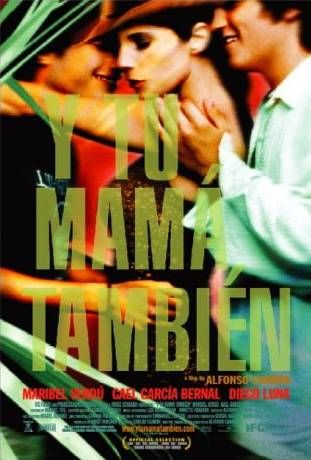
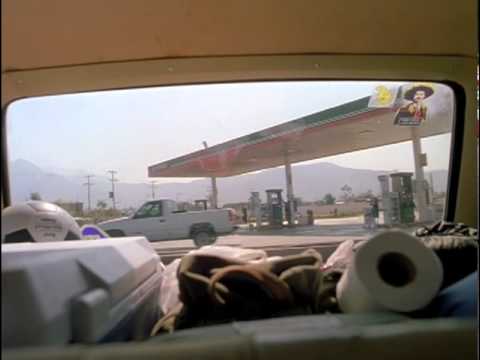
Y Tu Mamá También is one of those rare films that works simultaneously as a hangout movie, a road trip drama, and a quietly devastating character study — and Alfonso Cuarón pulls off that balancing act with total confidence. Gael García Bernal and Diego Luna have the loose, believable chemistry of actual lifelong friends, which makes the film's more comedic, horny-teenager stretches feel natural rather than forced. Maribel Verdú, as the older woman who joins their trip, quietly steals the film, giving a performance layered with things the boys are too immature to notice until it's too late.
What makes the film more than a coming-of-age comedy is Cuarón's use of an unseen narrator, who periodically interrupts the story to deliver blunt, unsentimental facts about Mexico's poverty, politics, and inequality that the characters themselves never register. It's a formal device that shouldn't work as well as it does, turning a small, intimate story into a portrait of an entire country in transition. The handheld, naturalistic camerawork adds to the sense that you're watching real people rather than actors hitting marks, and the film's frankness about sex and class never feels gratuitous.
A road trip comedy that sneaks up on you and becomes something much bigger.
This is essential viewing for anyone serious about world cinema, and a genuinely rewarding watch even if you go in expecting a simple road-trip comedy. It's funny, sexy, sad, and quietly angry all at once, and it holds up as one of the defining Mexican films of its era. Just know what you're in for: it's frank in ways that surprised audiences on release, and it earns every bit of that candor. Watch it once for the story, then again to notice everything the narrator's asides are actually telling you.
Y Tu Mamá También was Alfonso Cuarón's return to Mexican cinema after a run of English-language studio films, including A Little Princess and Great Expectations, and it marked a deliberate shift back toward the personal, low-budget filmmaking he'd started with. Co-written with his brother Carlos Cuarón, the film launched Gael García Bernal and Diego Luna to international attention and won the Volpi Cup for Best Screenplay at the Venice Film Festival. It was released without an MPAA rating in the United States after the studio declined to make cuts required to avoid an NC-17, a decision that helped it retain its uncompromising tone.
The film is often cited as a key entry in the early-2000s wave of Mexican cinema, alongside directors like Guillermo del Toro and Alejandro González Iñárritu, that put the country's filmmaking back on the international map. Within Cuarón's own filmography, it stands as the more intimate, grounded counterpart to the visual spectacle of later works like Gravity, though it shares Roma's interest in class and the unspoken lives of the people around its protagonists. It resonates especially with viewers who want their coming-of-age stories with real teeth — funny and frank on the surface, but carrying real sadness and social observation underneath.