Most zombie films are fundamentally about the chaos of an outbreak; this one is about what happens long after everyone else has stopped running, once the noise finally dies down and all that's left is silence and a single person's mind slowly working against itself. It's a patient, deeply interior film that trades bites and gore for isolation and a slow psychological unraveling, and that choice alone makes it feel genuinely different from almost everything else the genre has produced across several decades of horror filmmaking and franchise sequels chasing bigger scares.
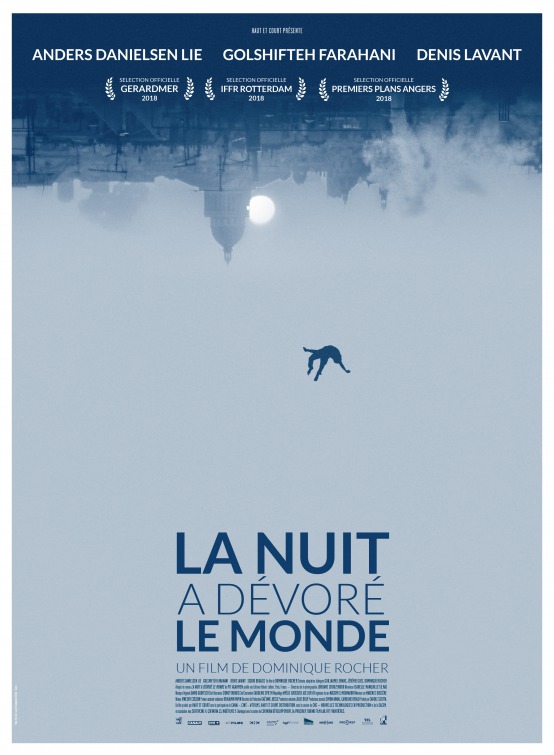
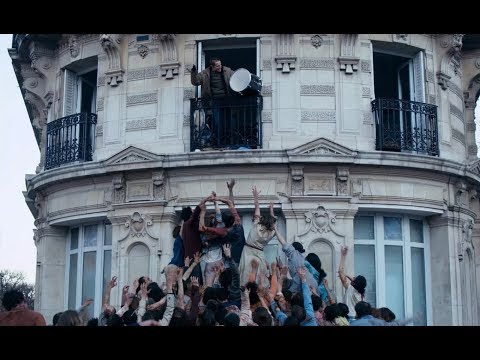
Anders Danielsen Lie carries nearly the entire film alone on screen, and he makes the quiet stretches every bit as gripping as any conventional action sequence, turning small routines like drumming or scavenging into a real study of a man trying to hold onto his own sanity. Dominique Rocher's direction is confident enough to let long stretches pass with minimal dialogue, trusting the audience to sit patiently with the character's isolation rather than rushing toward the next conventional genre set piece for cheap reassurance or relief from the mounting tension he keeps building.
A zombie film that finds its horror in silence, not screaming.
This is highly recommended for viewers who want a zombie film that actually has something meaningful to say about solitude and endurance, not just the usual survival mechanics and rising body counts. It's a slow burn by very deliberate design, and it has earned every bit of the critical acclaim it's steadily built since its original festival release, one patient viewer at a time, spreading mostly through word of mouth rather than a splashy marketing push behind it. Give it room to breathe and it will reward that patience fully by the end.
The film is adapted from a French novel by Pit Agarmen and was produced by Haut et Court in collaboration with Canal+, part of a wider wave of French genre filmmaking that gained real international attention in the late 2010s for bringing a distinct arthouse sensibility to traditionally American horror tropes and familiar genre structures. Its tight focus on a single character's psychological isolation set it clearly apart from the ensemble-survival structure common to most zombie films released during that same general period of the genre's history and gradual evolution toward quieter, more character-driven stories with smaller casts and stakes.
The film built its reputation primarily through the international festival circuit, winning Best Picture at the Canary Islands Fantastic Film Festival in 2018, before going on to earn strong critical notices on wider release, including repeated comparisons to Shaun of the Dead for its genuinely genre-refreshing approach to familiar material and tropes. Its high critics' score has stood in some contrast to a more divided audience reception, reflecting how its deliberately slow, meditative pacing rewards patient viewers far more than genre fans expecting constant, conventional zombie-movie action and set pieces from the opening scene all the way to the closing shot.