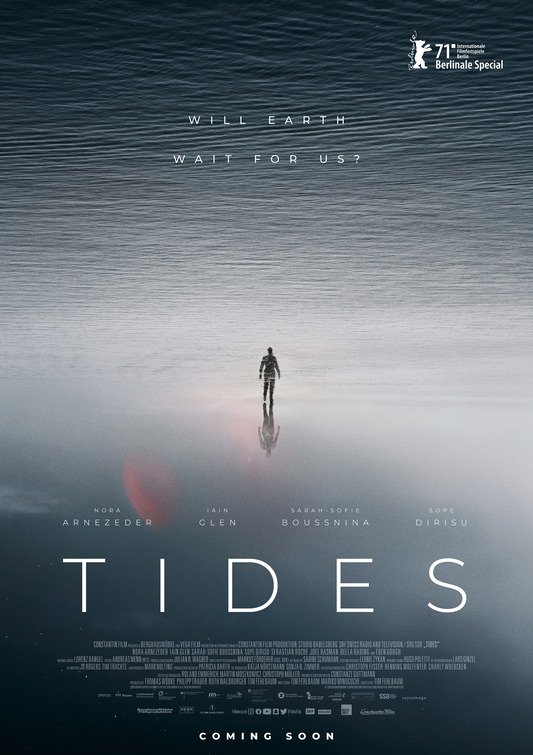
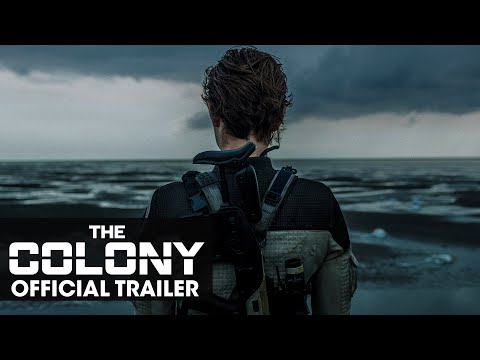
Nora Arnezeder plays an astronaut sent back to Earth generations after humanity abandoned it for an off-world colony, tasked with quietly checking whether the planet — flooded, half-dead, barely habitable — can support the survivors her people left behind to fend for themselves. Director Tim Fehlbaum shoots the ruined coastline with a grim, tactile realism that favors mud and rust over slick sci-fi production design, and that choice pays off in atmosphere far more than in spectacle.
Iain Glen and Joel Basman play into the fractured, distrustful society she stumbles into on arrival, and the film is more interested in the hard ethics of who gets saved and who gets left behind than in delivering action-movie spectacle for its own sake. It is a bleak watch by design, closer in spirit to a stripped-down survival drama than the space-adventure marketing around its 2021 release ever really implied it would be.
Coming home was supposed to be the easy part.
A 3.7 and 63% is fair for a film that is genuinely better than its muted release and mixed initial reception suggested at the time — this deserved considerably more attention than it actually got on the way out the door. If grim, morally knotty post-apocalyptic science fiction is your thing, The Colony is well worth seeking out now.
The Colony, released internationally as Tides, is a German-Swiss co-production directed by Tim Fehlbaum, who had previously explored post-apocalyptic themes in his earlier film Hell. That connection carried over into this project through executive producer Roland Emmerich, the veteran disaster-movie director who backed both films. For its flooded coastal setting, the production shot on location in Germany's Wadden Sea tidal flats, working around the real tides that sweep across the region twice daily rather than recreating them artificially. The film premiered at the Berlinale in 2021 before opening in Germany and North America later that year, with Nora Arnezeder and Game of Thrones actor Iain Glen leading the cast.
Reviews for The Colony were mixed, with much of the praise directed at its bleak, tactile production design and its unusually grounded, low-fantasy take on a genre often dominated by bigger-budget spectacle. It appeals most to viewers who enjoy quieter, more atmospheric post-apocalyptic stories in the vein of European science fiction, where survival and social breakdown matter more than action set pieces. Fans of Roland Emmerich's bigger disaster movies may find this a smaller, more introspective companion piece, while newcomers to Tim Fehlbaum's work can treat it as a bridge between his earlier film Hell and his later, higher-profile projects.
The film's grimy, waterlogged look owes as much to old-school ingenuity as to the real tidal flats it shot on. Because the Wadden Sea mudflats are only exposed during actual low tide, the production built a soundstage version of the landscape for anything that couldn't be scheduled around nature's clock, using a custom backdrop with sky imagery printed on both its front and back so cinematographers could dial in different lighting conditions just by adjusting which side got lit. Fehlbaum leaned into practical backgrounds instead of green screen wherever possible, preferring the physical texture it gave the actors to react against. The approach paid off at home: production designer Julian Wagner won the 2021 Lola, the German Film Award, for Best Production Design, one of the clearer signals that critics who dismissed the story still recognized the craft holding the world together.