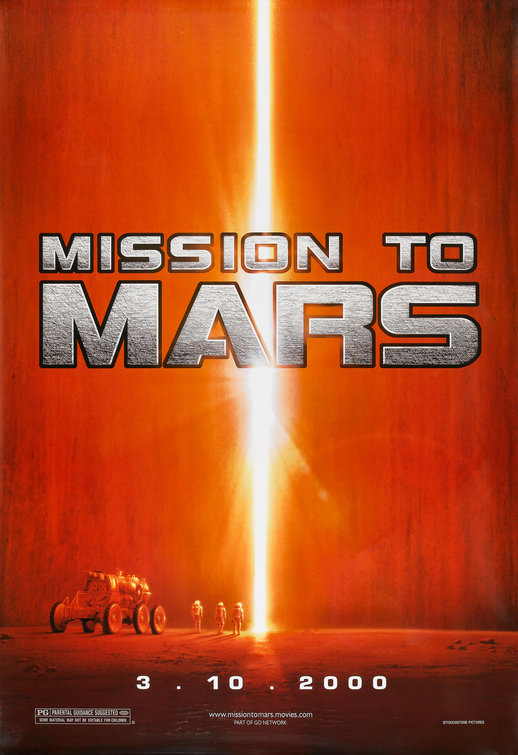
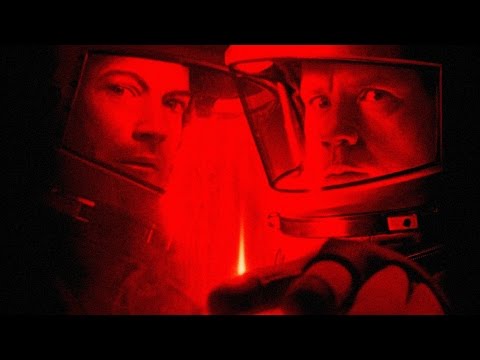
When the first crewed mission to Mars ends in sudden disaster, a rescue team led by Gary Sinise heads out to find out what actually happened and bring back any survivors still alive. Brian De Palma directs with real sincerity, treating the material less like a disaster thriller and more like a hushed, philosophical meditation on first contact — a choice that put it noticeably at odds with the louder, effects-driven space movies it released alongside back in 2000.
Tim Robbins, Don Cheadle, and Connie Nielsen round out a crew that genuinely feels like longtime colleagues rather than an assembled action-movie ensemble, and De Palma's camera lingers on process and silence in ways that either land as haunting or as pacing problems depending entirely on your patience going in. The late-film reveal is strange, sentimental, and unapologetically earnest in a way few big studio sci-fi films are willing to risk.
It would rather ask what's out there than blow anything up over it.
A 3.6 and 62% captures it well: an odd, sincere film that is not as tight as it probably should be, but is far more interesting than its lingering reputation as a box-office flop tends to suggest. Go in patient and curious rather than expecting a thrill ride, and Mission to Mars rewards that patience more than most people give it credit for.
Mission to Mars grew out of a Disney theme-park attraction of the same name, reworked into a full screenplay and handed to veteran director Brian De Palma, better known for stylish thrillers like Carrie and The Untouchables than for hard science fiction. The production aimed for a degree of scientific plausibility, consulting NASA and Jet Propulsion Laboratory experts to help shape its depiction of a Mars landing, and building one of the largest sets ever constructed for a film, a vast artificial Martian landscape near Vancouver. Gary Sinise starred as an astronaut leading the rescue effort, alongside Tim Robbins, Don Cheadle, and Connie Nielsen. It opened the same year as the similarly themed Red Planet, and the two Mars-set studio releases were frequently compared.
Critics were largely unkind to Mission to Mars on release, dismissing its script while acknowledging De Palma's visual ambition, including an extended opening tracking shot and a climax that consciously echoes the giant rotating set and cosmic imagery of Stanley Kubrick's 2001: A Space Odyssey. Over time, some De Palma admirers and genre fans have reappraised the film as an interesting, if uneven, entry in his filmography, valuing its earnest, old-fashioned sense of wonder over the more character-driven approach of other Mars films. It remains most rewarding for viewers who appreciate visual craftsmanship and classic sci-fi optimism more than tight plotting.