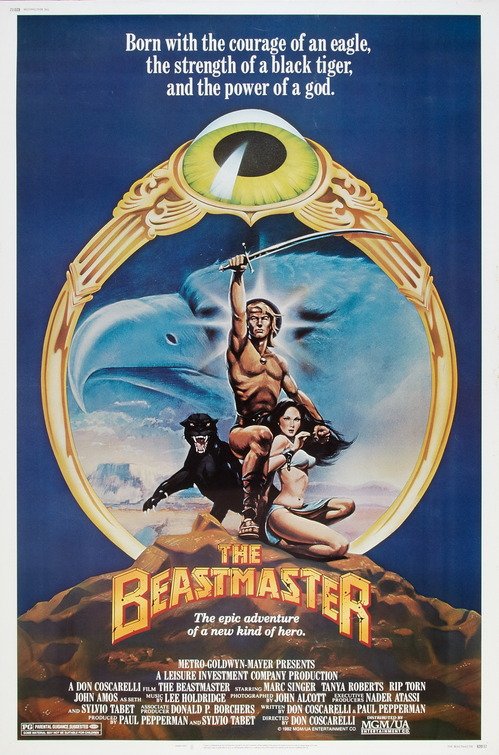
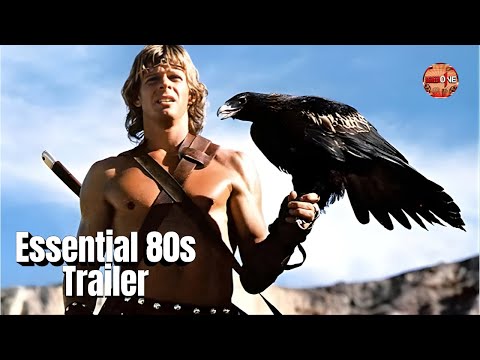
The Beastmaster survives on practical-effects craft and unhurried world-building rather than budget. Don Coscarelli, fresh off Phantasm, treats Dar's telepathic bond with his animal companions — an eagle, two ferrets, and eventually a black tiger — as the emotional core of the film rather than a novelty, and the trust that builds between Marc Singer and his menagerie carries scenes that a script this thin has no business earning.
Rip Torn, as the sacrifice-obsessed priest-wizard Maax, gives the film its best performance by leaning into pulp-villain theatrics rather than playing against the material. Tanya Roberts, cast over Coscarelli's preference for Demi Moore, brings more presence to Kiri than the thin role demands, and John Amos grounds the fantasy plotting in something closer to a buddy adventure.
A hawk, two ferrets, and a black tiger carry a sword-and-sorcery movie that shouldn't work — and does.
Production behind the scenes was rockier than the finished film suggests. Coscarelli clashed repeatedly with the film's executive producer, especially over casting, and animal-handling on set produced its share of chaos, including a bear that broke loose from its handler. Novelist Andre Norton, whose 'The Beast Master' loosely inspired the story, was unhappy enough with the finished script's departures from her book that she asked to have her name taken off the credits entirely.
Critics were unkind on release — the film sits around 50% on Rotten Tomatoes — and it only modestly cleared its budget. None of that mattered to the audience that found it later: heavy rotation on HBO and TBS through the late '80s turned Beastmaster into appointment viewing, reportedly rivaling Gone with the Wind for total plays on the network, and that afterlife on cable is the reason it spawned two sequels and a syndicated TV series.
That cable ubiquity eventually calcified into its own bit of shorthand: fans and critics joked that HBO secretly stood for "Hey, Beastmaster's on," a nod to how inescapable the film was on the network through the decade. Coscarelli has pointed to the sword-and-sandal Hercules pictures he grew up on, especially the Steve Reeves vehicles of the 1950s, as shaping Dar's tone more than Andre Norton's source novel ever did. The film also opened the same summer as John Milius's Conan the Barbarian and got unfairly measured against that bigger, bloodier epic, but the two were never chasing the same thing — Beastmaster wanted boyhood adventure over grim mythmaking, and that difference in ambition is a big part of why it built a loyal following of its own instead of just living in Conan's shadow. Decades later, that same fan base is still organized enough to hold conventions and swap restoration rumors online, treating a film critics wrote off in 1982 as a genuine touchstone rather than a guilty pleasure, the kind of staying power that no marketing budget could have manufactured on its own.