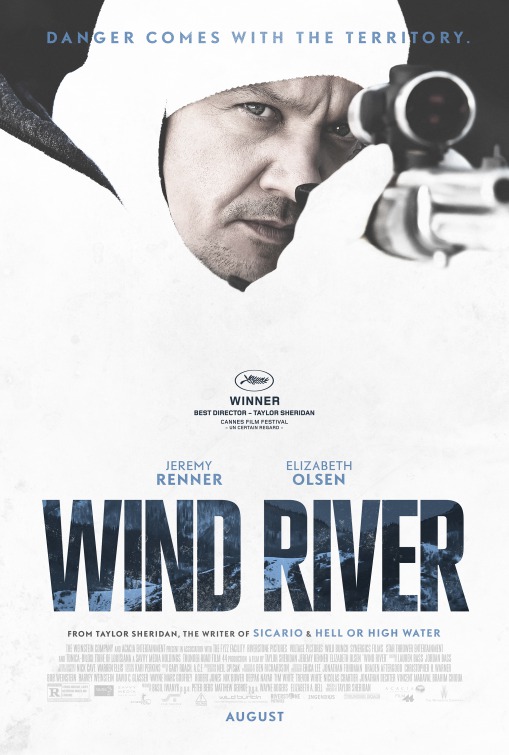
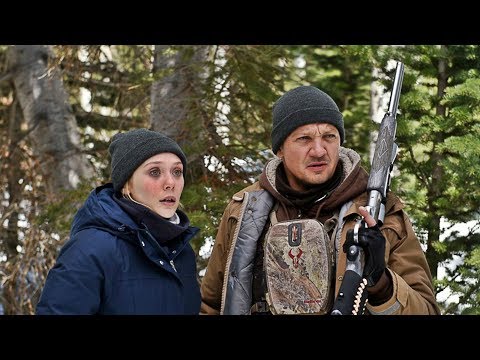
Jeremy Renner plays a Fish and Wildlife tracker who finds a young woman's body in the snow outside a Wyoming reservation, and Elizabeth Olsen is the FBI agent sent to work a case nobody up the chain particularly wants solved. Taylor Sheridan, who wrote Sicario and Hell or High Water before sitting in the director's chair here, treats the landscape as a character in its own right — vast, indifferent, and dangerous in ways that have nothing to do with the plot.
The pace is patient to the point of austerity, letting silences and long drives do work most thrillers hand to dialogue. Graham Greene brings dry, weathered authority as the tribal police chief, and the film doesn't flinch from what life on the reservation actually looks like — underfunded, overlooked, grieving. When the violence does arrive, late and sudden, it lands harder for how long you've been asked to sit with dread instead.
A thriller that trusts silence as much as it trusts violence.
This is not a comfort watch, and it isn't trying to be. Wind River earns its bleakness by paying attention — to place, to grief, to the way institutions fail people quietly — and the payoff is a genuinely gutting final stretch. It's one of the better neo-westerns of its decade, and worth clearing an evening for when you're in the right headspace.
Wind River was Taylor Sheridan's directorial debut, arriving after he made his name writing Sicario and Hell or High Water, and it's often grouped with those films as a loose trilogy about violence at the edges of contemporary American life. Set on a version of Wyoming's Wind River Indian Reservation, the story was shaped by real conversations Sheridan had on location with Shoshone tribal leaders, who told him about a string of unsolved deaths of young women in their community. That conversation led to a closing title card noting that, unlike every other demographic, no reliable missing-persons statistics exist for Native American women. The film premiered at the 2017 Cannes Film Festival, where Sheridan won a directing prize in the Un Certain Regard section.
Made on a relatively modest budget and shot largely in real winter conditions across Utah and Wyoming, Wind River turned into a solid box-office success and a critical favorite, anchored by performances from Jeremy Renner and Elizabeth Olsen. Renner landed the lead almost by accident: Sheridan's first choice, he was unavailable while shooting Arrival, and replacement Chris Pine later dropped out for Wonder Woman, leaving the role open again just as Renner's schedule cleared. The film cemented Sheridan's reputation for grounded, slow-burn crime stories rooted in specific American landscapes, a style he later expanded through Yellowstone and its spinoffs, and it remains one of the more clear-eyed studio treatments of violence against Indigenous women.